Wisdom · craft · strategy
Athena
Athena is associated with strategic warfare, crafts, and the city of Athens. In many accounts, she advises heroes and protects skilled work.
Across myth traditions, divine figures can protect and unsettle, create and destroy, reward and test. Their roles shift across communities and sources, so a symbol or title is often only the beginning of the story.
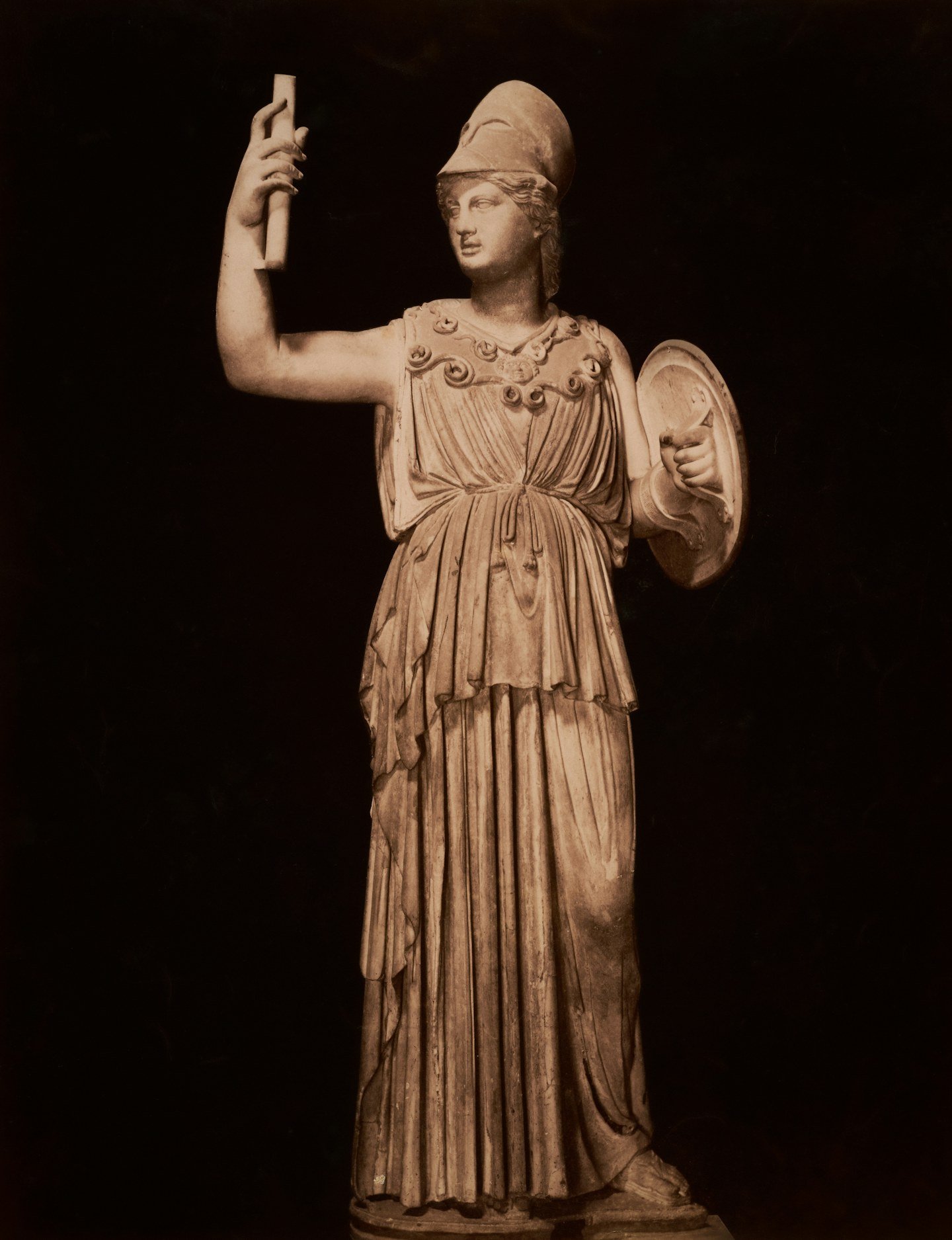
It is tempting to call a deity “the god of” one thing and stop there. Ancient stories rarely stay that tidy. Athena is linked with wisdom and strategy, but her myths also involve craft, civic life, rivalry, and protection. Poseidon rules the sea in many Greek accounts, yet he is also connected with horses, earthquakes, and the fortunes of travelers.
Family ties, local worship, ritual practice, and the author telling the story all shape what a deity means. A single modern summary can introduce a figure, but it cannot stand in for every ancient or living interpretation.
These short introductions point toward bigger stories. Open the myths page to follow a few of their best-known tales.
Athena is associated with strategic warfare, crafts, and the city of Athens. In many accounts, she advises heroes and protects skilled work.
King among the Olympians in many Greek narratives, Zeus is linked with the sky, authority, hospitality, and the keeping of oaths.
Poseidon’s power could bring calm waters or violent storms. His stories show how uncertain the sea could feel to coastal communities.
Demeter’s bond with agriculture and her daughter Persephone lies at the heart of stories about loss, return, and seasonal change.
Hermes moves between worlds as messenger and guide. He is also associated with travelers, boundaries, trade, and clever speech.
Apollo is linked with music, prophecy, healing, and archery. His sanctuaries and oracles shaped religious life across the Greek world.