The many-labored hero
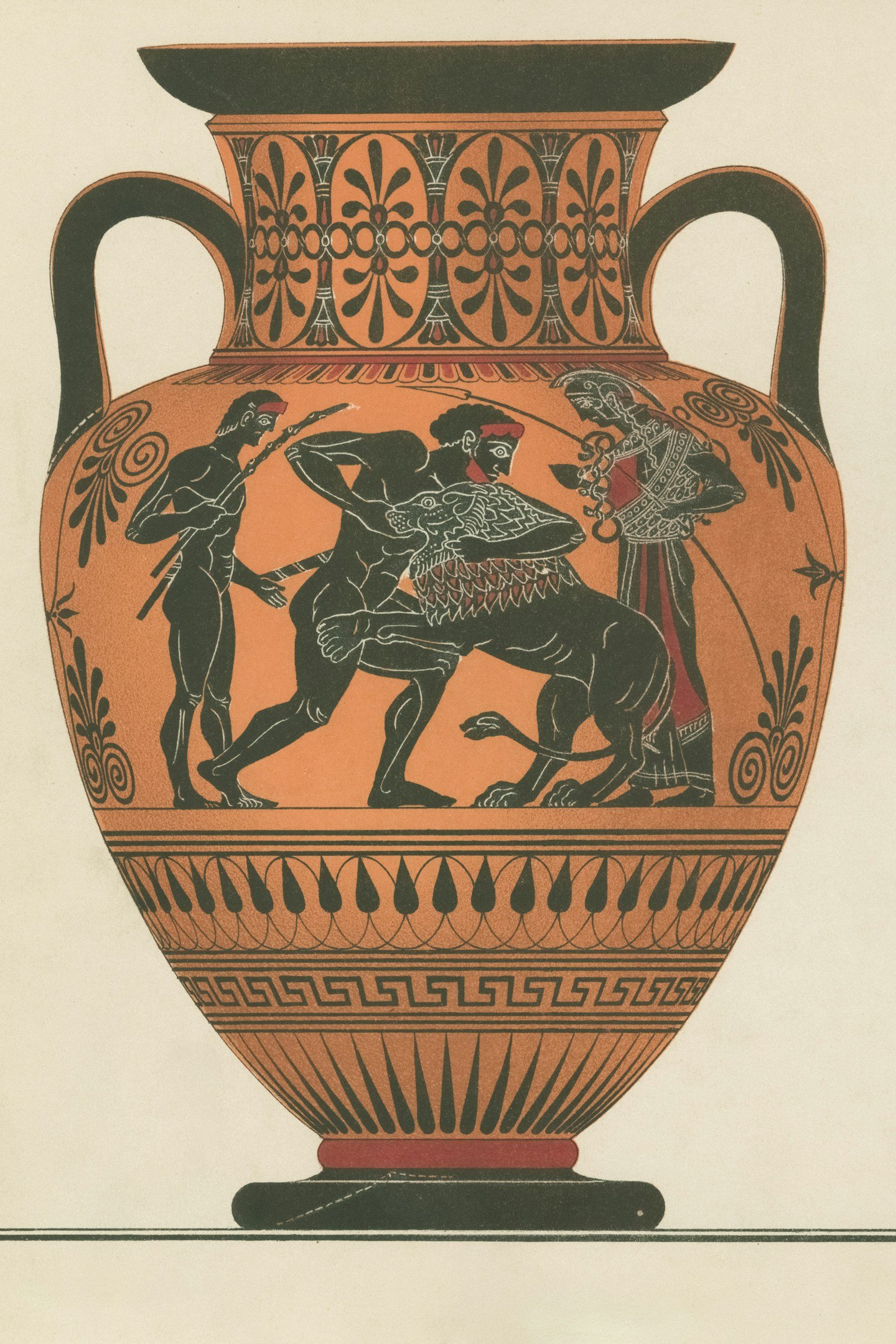
Heracles
Known in Roman tradition as Hercules, Heracles is famous for the twelve labors: a sequence that includes the Nemean lion, the Hydra, and a journey to the underworld. The labors are only one part of a complicated cycle of stories.
The returning voyager
Odysseus
In the Odyssey, Odysseus struggles to return to Ithaca after the Trojan War. His encounters with the Cyclops, Circe, the Sirens, and other dangers make the epic a study in cunning, hospitality, loyalty, and homecoming.
The monster slayer
Perseus
Perseus is remembered for defeating Medusa and rescuing Andromeda. His success depends on gifts and guidance from divine allies, reminding readers that heroism in these stories is rarely solitary.
The swift warrior
Achilles
Achilles is the central Greek warrior in the Iliad’s account of a short stretch of the Trojan War. The poem focuses on anger, honor, grief, and the consequences of treating people as prizes.